
Event Promotion Secrets Revealed: What Experts Don't Want You to Know
After years of helping brands across the Ozark region amplify their reach through strategic advertising campaigns, we've witnessed countless event launches: some that soar beyond expectations and others that barely register a whisper in the marketplace. The difference isn't luck, budget size, or even star power. It's understanding the unspoken strategies that separate amateur event promotion from professional-level execution.
We're pulling back the curtain on the tactics that industry veterans use but rarely discuss openly. These aren't theoretical concepts from marketing textbooks: they're battle-tested approaches we've refined through our work with local radio stations and community partners who consistently pack venues and generate buzz that extends far beyond their events.
The Foundation: Audience Intelligence Over Assumptions
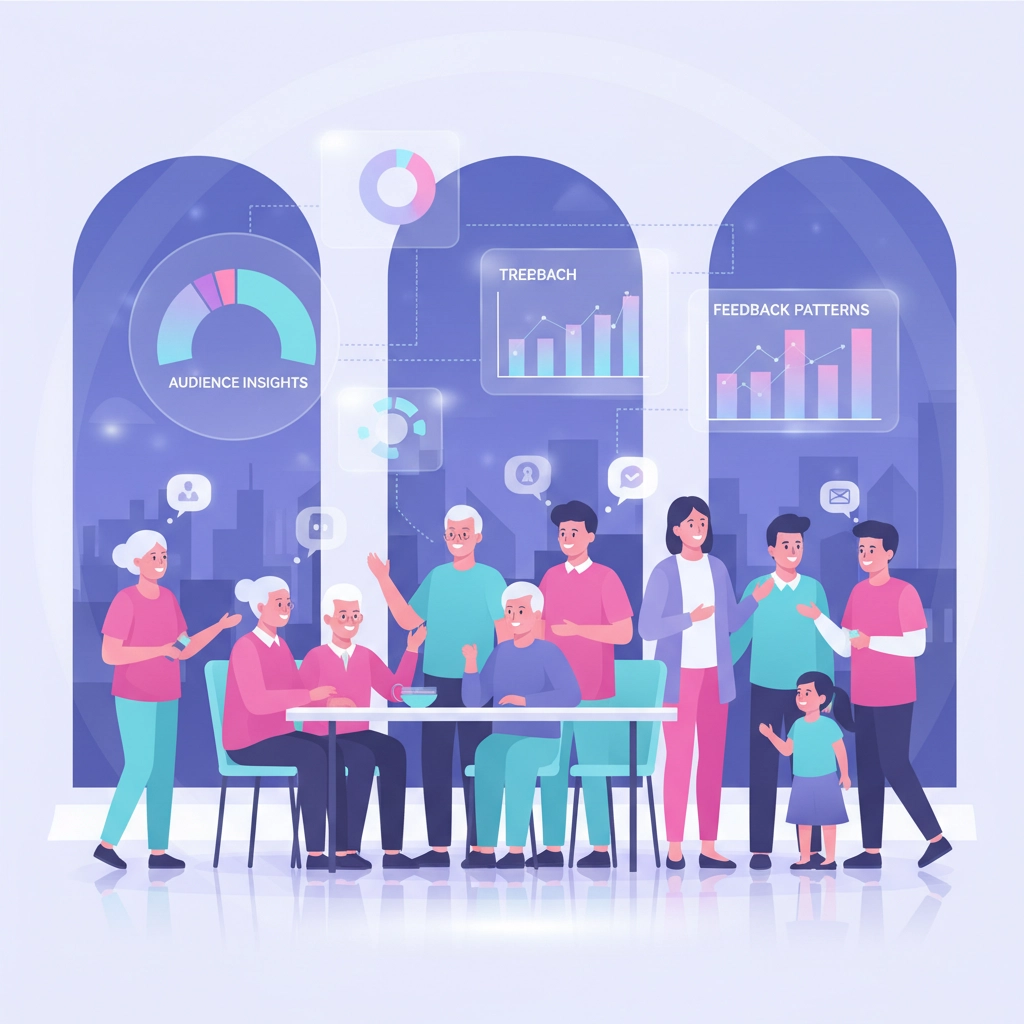
Most event organizers make their first critical mistake before they even announce their event: they plan for who they think will attend rather than deeply understanding who actually shows up. We've learned from our radio programming experience that successful promotion starts with data, not hunches.
The secret lies in creating feedback loops with your existing community before you launch anything new. Send surveys to past attendees, analyze social media engagement patterns, and most importantly: listen to the conversations happening in your local market. When we work with event organizers, we encourage them to spend time understanding not just demographics but psychographics: What drives your audience's decision-making? What time of day do they consume media? Which local personalities do they trust?
This intelligence gathering should culminate in specific, measurable goals that go beyond "fill the venue." Are you aiming to increase pre-event revenue by 25%? Generate 500 social media mentions? Build an email list of 2,000 qualified prospects? Your entire promotional strategy should ladder up to these concrete objectives: not vague aspirations about "raising awareness."
The Community Multiplier Effect
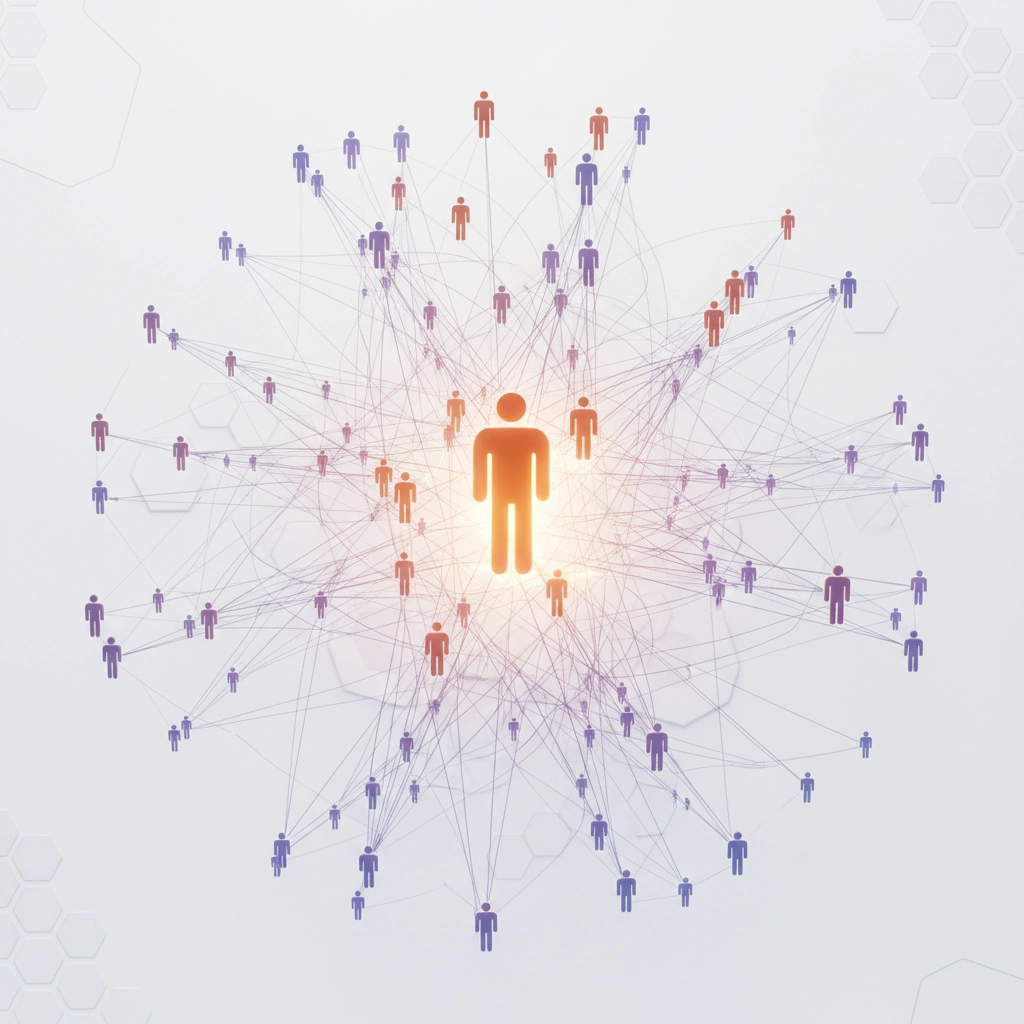
Here's where most event promoters leave money on the table: they treat past attendees as customers rather than advocates. We've seen this transformation countless times through our community partnerships: when you shift your relationship with previous participants from transactional to collaborative, your promotional reach expands exponentially.
The most effective approach involves creating what we call a "promoter ecosystem": a structured way for past attendees to become active marketing partners. This isn't just asking people to share your Facebook post. It's developing referral programs with meaningful incentives, creating exclusive early-bird opportunities for returning participants, and most powerfully: announcing your next event before your current event ends.
We've watched venues transform their annual attendance by 40-60% simply by capturing the high-energy moment when people are already engaged and excited. Instead of starting your promotional cycle from zero each year, you begin with a warm audience that's already emotionally invested in your success.
Multi-Channel Orchestration: Beyond Social Media
The digital marketing landscape has created a dangerous illusion that social media alone can drive event success. While platforms like Facebook and Instagram are essential components, they're just instruments in a larger orchestra: and without proper conducting, even the best individual performances fall flat.
Email remains your most reliable channel, especially for events targeting local communities. But the secret isn't just sending announcements: it's creating email experiences that build anticipation over time. We recommend starting your email sequence 8-12 weeks before your event, with content that evolves from behind-the-scenes glimpses to exclusive offers to urgent calls-to-action.
Strategic partnerships amplify everything else you do. When we help clients develop cross-promotional relationships, we look for businesses and organizations that share your audience but aren't direct competitors. These partnerships shouldn't feel forced or purely transactional: the best collaborations create mutual value where both parties benefit from increased exposure.
Local media relationships are irreplaceable in communities like ours. Building genuine connections with radio personalities, newspaper editors, and local bloggers takes time, but these relationships pay dividends for years. We've seen single radio mentions drive more qualified attendance than entire social media campaigns: because local voices carry local trust.
Creative Activation: Making Memories Before the Event
The events that people remember months later don't just deliver great experiences: they create anticipation that becomes part of the story. We call this "pre-event experiential marketing," and it's where creativity meets strategy in powerful ways.
Flash mobs, scavenger hunts, progressive reveals across social media, pop-up activations in unexpected locations: these tactics work because they interrupt the ordinary and create moments worth sharing. But they must align with your brand personality and audience expectations. A sophisticated wine tasting event calls for different creative approaches than a family music festival.
The key is building narrative tension over time rather than relying on single promotional pushes. Each piece of content should add to an unfolding story that makes people feel like insiders rather than targets. When done well, your promotional campaign becomes entertainment that people actively seek out and share.
The Influencer Partnership Framework
Influencer marketing for events requires a completely different approach than product promotions. We're not looking for one-time posts: we need advocates who can authentically represent your event within their communities and sustain engagement over several weeks or months.
The most effective partnerships involve what we call "content takeovers": structured ways for local personalities or industry experts to create content on your event's platforms while maintaining their authentic voice. This approach provides fresh perspectives while leveraging their existing relationships with potential attendees.
When selecting influencer partners, we prioritize local relevance over follower count. A community leader with 2,000 highly engaged local followers will drive more qualified attendance than a national personality with 50,000 generic followers. The goal is connection, not just exposure.
Sponsor Integration That Actually Works
Most event organizers approach sponsors like ATM machines: they want money but don't want their partners to be too visible or involved. This backwards thinking limits both sponsorship revenue and promotional reach.
Smart event promoters transform sponsors into marketing partners by providing comprehensive promotional toolkits, branded materials, and specific ways to integrate sponsor messaging into the event narrative. When sponsors become active promoters rather than passive funders, your promotional reach multiplies without additional cost.
The secret is creating sponsorship packages that make it easy for partners to promote effectively. Custom graphics, pre-written social media posts, talking points for their teams, promotional codes that create urgency: these small touches dramatically increase sponsor participation in your marketing efforts.
Post-Event Strategy: The Long Game
The biggest missed opportunity in event promotion happens after the event ends. While most organizers collapse from exhaustion and move on to other projects, professional-level promoters use post-event momentum to fuel their next cycle.
Immediate follow-up through personalized thank-you messages, surprise gifts, or exclusive content creates lasting impressions that turn attendees into advocates for future events. But the real value lies in systematic feedback collection and relationship nurturing that extends throughout the year.

We encourage our event partners to maintain quarterly touchpoints with their attendee community: not just when they're selling something, but when they're sharing valuable content, celebrating community achievements, or providing insider access to related opportunities. This consistent engagement transforms annual events into year-round community platforms.
The Technology Integration Secret
Behind every smooth event experience is invisible technology that eliminates friction and creates opportunities for deeper engagement. But the secret isn't just using event technology: it's integrating various platforms to create seamless experiences that support your promotional goals.
Automated check-in systems, mobile-friendly registration, real-time social media displays, and post-event survey automation aren't just operational conveniences: they're marketing tools that extend your reach and improve attendee satisfaction. When people have positive experiences with your event logistics, they become more likely to recommend your events to others.
The most successful event promoters we work with treat technology as an amplifier for human connection rather than a replacement for personal touch. The goal is removing barriers that prevent people from fully engaging with your event experience.
Event promotion mastery isn't about discovering secret formulas or revolutionary tactics: it's about understanding how proven strategies work together as an integrated system. The organizations that consistently succeed focus on relationship building rather than just transaction generation, community development rather than just audience acquisition, and long-term value creation rather than just immediate attendance goals.
At Ozark Star Media, we've seen these principles transform small community gatherings into regional destinations and help established events reach new heights of engagement and impact. The secrets aren't really secret: they're simply strategies that require commitment, creativity, and consistent execution over time.