

Are Traditional Radio Ads Dead? Do People Still Listen in 2025?
Let's cut straight to the chase : traditional radio advertising is far from dead. In fact, it's thriving in ways that might surprise you. While the digital revolution has transformed how we consume media, radio has proven remarkably resilient, adapting without abandoning the core strengths that have made it a cornerstone of American advertising for nearly a century.
The narrative that radio is dying? It's simply not supported by the data. We're seeing something far more nuanced : an evolution that's strengthening radio's position rather than weakening it.
The Numbers Tell a Powerful Story
Here's a statistic that should make every marketer pause: 90% of U.S. adults still listen to AM/FM radio weekly. That's not a typo, and it's not outdated data : this is the reality of radio listenership in 2025. To put this in perspective, radio reaches more Americans than any other platform, including streaming services, social media, or television.
But weekly reach is just the beginning. On any given day, terrestrial AM/FM radio reaches approximately two-thirds of America, while digital audio platforms reach about one-third. Even more compelling : according to Nielsen's Q1 2025 data, 66% of daily time spent with ad-supported audio goes to radio. Podcasts capture 19%, streaming audio takes 12%, and satellite radio accounts for just 3%.

What's particularly encouraging for advertisers is that even younger demographics haven't abandoned radio. Among 18–34 year-olds, radio still commands 47% of daily ad-supported listening. This generation : supposedly glued to their smartphones and streaming services : is still tuning in to traditional radio at remarkable rates.
The Market is Growing, Not Shrinking
The financial health of radio advertising tells an even more compelling story. The traditional radio advertising market is projected to reach $55 billion by 2025, with a robust compound annual growth rate of 7.5% anticipated through 2033. This isn't the trajectory of a dying medium : it's the growth pattern of an industry that's found its footing in a complex media landscape.
Local radio advertising, which forms the backbone of the industry, will generate $12.9 billion in ad revenue in 2025. What's particularly interesting is how this revenue is evolving : $2.9 billion of that total is coming from digital radio, showing how the medium is successfully bridging traditional and digital advertising approaches.
The Digital Integration Advantage
Rather than being displaced by digital, radio has embraced it. We're witnessing the emergence of hybrid advertising strategies where traditional radio serves as the foundation for multi-platform campaigns. Radio's unique strength : reaching people during their daily routines when they're actively listening with intent : makes it an ideal launching pad for digital follow-up strategies.

The shift toward digital isn't killing traditional radio; it's enhancing it. For the first time, local digital ad spending is projected to surpass traditional, with digital radio experiencing 4.2% growth over 2024. But here's the key insight : this growth is additive, not replacement. Advertisers are expanding their radio investments to include both traditional broadcasts and digital streaming, creating more touchpoints with their audiences.
Why Radio Still Works When Other Media Fails
Radio's enduring effectiveness comes down to contextual engagement. Unlike other media where audiences are multitasking or actively avoiding advertisements, radio listeners are in a receptive state. They're commuting, working, exercising, or relaxing : activities where audio content becomes part of their environment rather than an interruption.
Nielsen sales effect studies demonstrate this effectiveness quantitatively: AM/FM radio campaigns can grow sales by 10% and increase customer base by 17%. These aren't marginal improvements : they're substantial business impacts that justify continued investment in radio advertising.
The medium's strength is particularly pronounced in local markets, where personal connections and community ties drive purchasing decisions. At Ozark Star Media, we've seen firsthand how our stations like 99.5 The Star and 1490 Tampa Bay create authentic connections between local businesses and their communities : connections that digital platforms struggle to replicate.
The Local vs. National Divide
While we're optimistic about radio's overall trajectory, the national advertising landscape tells a more complex story. National radio spot ad revenue is projected to decline 5.0% to $1.76 billion in 2025. This decline reflects larger brands' shift toward programmatic digital buying and more targeted advertising approaches.
However, this national decline actually strengthens the case for local radio advertising. As national advertisers pull back, local businesses have more opportunities to capture audience attention at competitive rates. The gap left by national advertisers creates premium positioning opportunities for regional and local brands willing to invest in traditional radio.
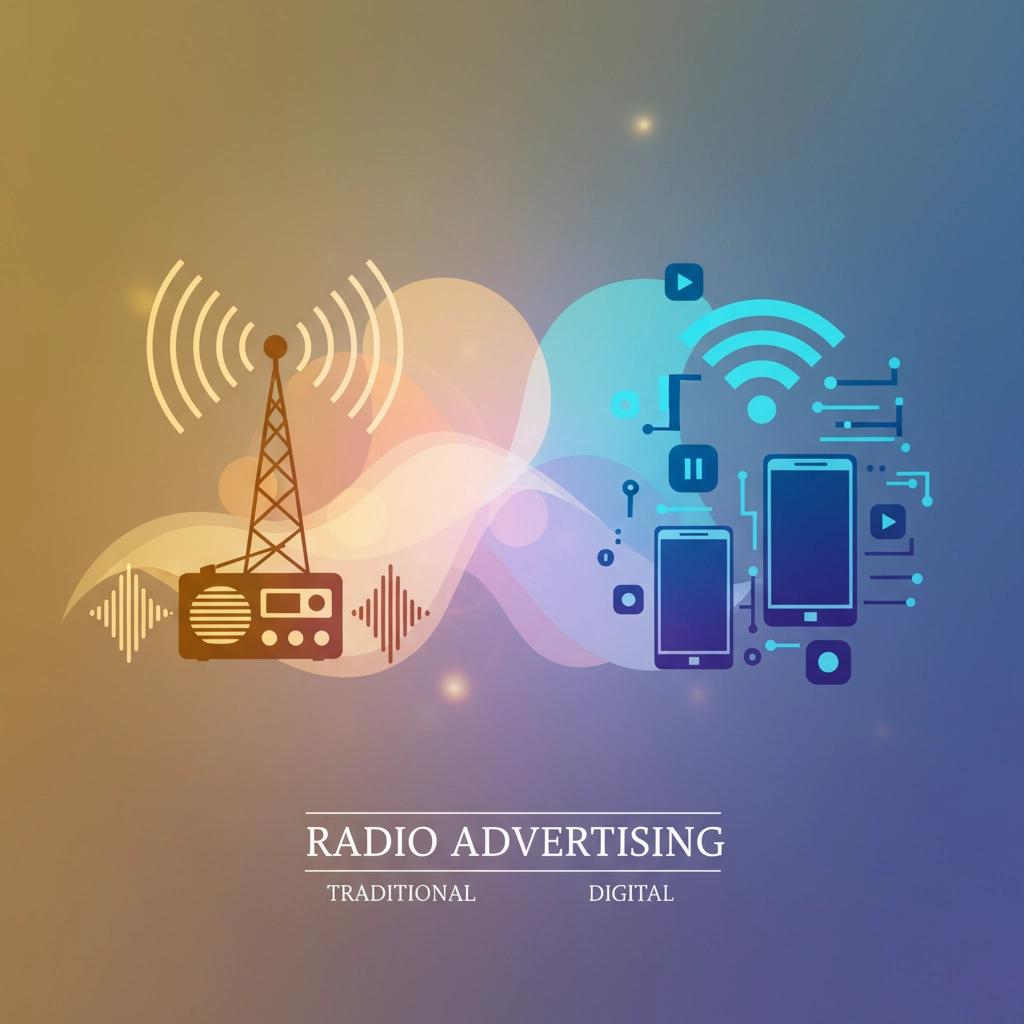
Local radio's advantage extends beyond just available inventory. Regional radio personalities and community-focused programming create trust relationships that national digital platforms can't match. When a local radio host endorses a business or product, it carries the weight of personal recommendation rather than algorithmic targeting.
Innovation Keeps Radio Fresh
The radio industry isn't standing still. We're seeing remarkable innovations that blend traditional broadcasting with cutting-edge technology. AI-powered personalization allows radio stations to deliver more relevant content and advertising, while maintaining the live, authentic feel that makes radio unique.
Hybrid radio technology is combining traditional shortwave broadcasting with digital streaming, creating seamless experiences that follow listeners across devices and platforms. This technological evolution ensures radio remains relevant as consumption habits change, without sacrificing the medium's core advantages.
The integration of social media and radio creates amplified engagement opportunities. Radio content now extends beyond the airwaves, creating conversation starters and community discussions that increase the value of radio advertising investments.
Looking Forward: Radio's Resilient Future
As we look toward the remainder of 2025 and beyond, radio's position appears stronger than critics suggest. The medium has successfully navigated the digital disruption that devastated print media and challenged television. Instead of being displaced, radio has found ways to complement and enhance digital advertising strategies.
The key to radio's continued success lies in its unique positioning as the last major medium that people actively choose to engage with during their daily routines. While other media fight for attention, radio earns it through consistent value delivery and community connection.

For businesses considering their advertising mix in 2025, radio offers something increasingly rare : guaranteed audience attention during receptive moments. This isn't about nostalgia or tradition; it's about leveraging a medium that continues to deliver measurable results in an increasingly fragmented media landscape.
The question isn't whether people still listen to radio in 2025 : they absolutely do, in numbers that would make most digital platforms envious. The real question is whether smart advertisers will recognize this opportunity and include radio in their growth strategies.
At Ozark Star Media, we're not just observers of radio's evolution : we're active participants in shaping its future. Through our portfolio of stations and comprehensive advertising services, we help businesses harness radio's enduring power while embracing its digital enhancements.
Radio isn't dead : it's evolved into something more powerful and versatile than ever before. The only question is whether you're ready to tap into that power for your business.
Ready to explore how radio advertising can drive your business growth? Let's start the conversation about creating a radio strategy that works for your unique goals and market position.