

7 Mistakes You're Making with Multimedia Advertising (and How to Fix Them)
Multimedia advertising has never been more powerful : or more complex. With audiences scattered across radio, social media, streaming platforms, and digital channels, the opportunities to connect with your customers are endless. But here's the reality: most multimedia campaigns fail before they even get started.
At Ozark Star Media, we've seen countless businesses pour money into advertising campaigns that looked great on paper but delivered disappointing results. The good news? These failures aren't due to bad luck or market conditions : they're the result of seven preventable mistakes that we see over and over again.
Whether you're running ads across our radio stations like 99.5 The Star or building comprehensive campaigns that span multiple platforms, avoiding these pitfalls can transform your advertising from a cost center into your most profitable growth engine.
Mistake #1: Shooting in the Dark with Your Target Audience
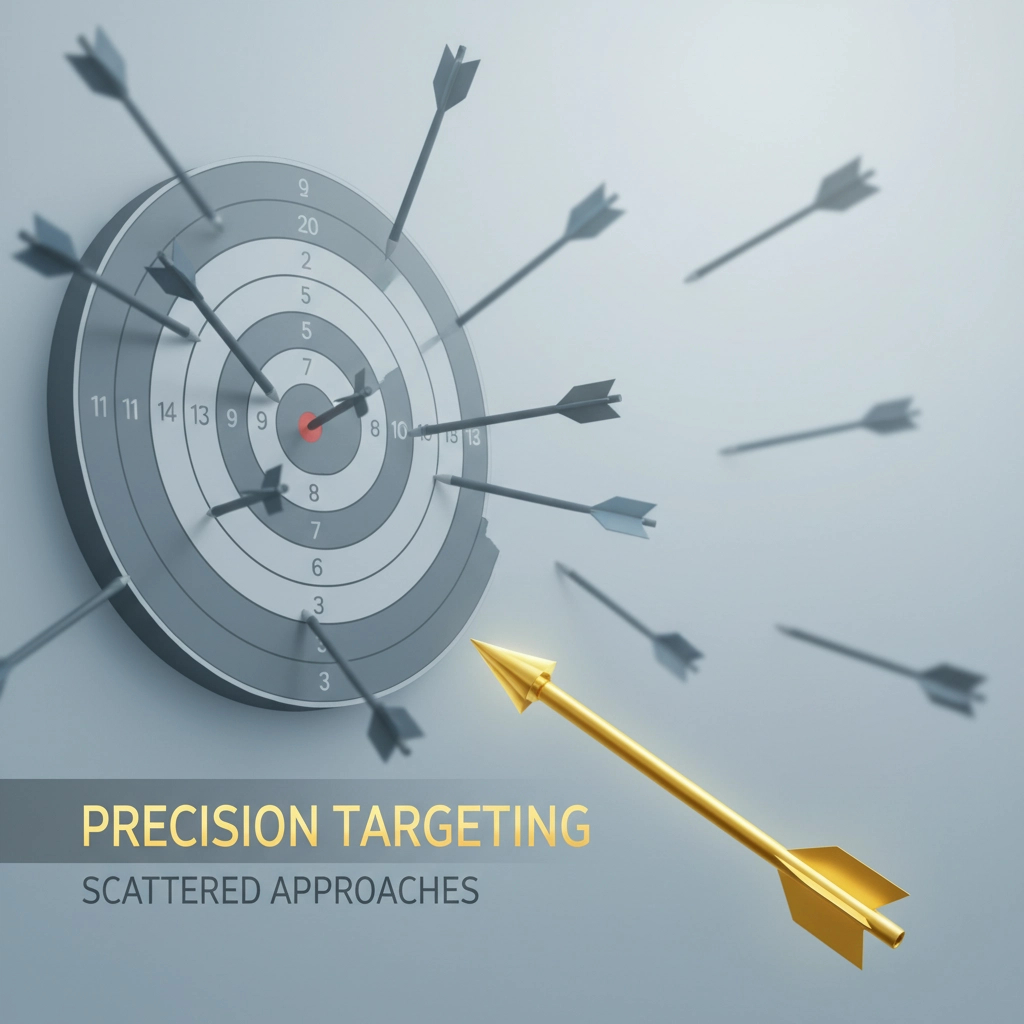
The biggest killer of multimedia campaigns isn't creative fatigue or budget constraints : it's fundamental audience misunderstanding. We see businesses launch campaigns targeting "everyone aged 25-55 who might be interested in our product." This approach is like trying to fill a bucket with a fire hose from fifty feet away.
When you cast too wide a net, your message gets diluted across people who have zero genuine interest in what you're offering. Your radio spots reach listeners during the wrong dayparts, your social media ads get served to people scrolling past without a second thought, and your budget evaporates with minimal impact.
The Fix: Start narrow, then expand strategically. Define your ideal customer with laser precision : not just demographics, but behaviors, interests, and motivations. If you're advertising on country music stations, understand that your audience values authenticity, community connection, and storytelling. Use this insight to craft messaging that resonates deeply with a smaller, more engaged audience rather than appealing broadly to everyone.
Mistake #2: Putting All Your Creative Eggs in One Basket
Your first ad creative is rarely your best performer : yet countless businesses create one video, one radio spot, or one social media ad and expect it to carry their entire campaign. This single creative strategy is marketing suicide in today's attention economy.
Audiences develop creative fatigue faster than ever. What captures attention in week one becomes invisible background noise by week three. Platform algorithms reward fresh, engaging content and penalize stale creative that users scroll past without engaging.
The Fix: Treat creative testing as the foundation of your success, not an afterthought. Develop multiple variations of your core message : different angles, formats, and emotional approaches. For radio advertising, this might mean creating both :15 and :30 second versions, or developing seasonal variations that keep your message fresh. For digital platforms, test image ads against video content, carousel formats against single-image posts.
The key is genuine variety, not minor tweaks. Changing a button color won't solve creative fatigue : you need fundamentally different approaches to the same message.
Mistake #3: Overpromising and Under-delivering with Hype
In the race to capture attention, many advertisers fall into the trap of misleading messaging. They promise miraculous results, use exaggerated claims, or create expectations their product simply can't meet. This approach might generate initial clicks, but it destroys trust and damages long-term brand reputation.
Modern consumers : especially those listening to trusted local media like our stations : value authenticity above all else. Overhyped messaging feels inauthentic and triggers skepticism rather than interest.
The Fix: Build campaigns around genuine value propositions. Focus on real benefits that matter to your audience, backed by authentic testimonials and proof points. If you're a local business advertising on 1490 Tampa Bay, emphasize your community connection and local expertise rather than making grandiose claims about being "the best in the world."
Honest, compelling messaging that speaks to real customer needs will always outperform flashy promises that can't be delivered.

Mistake #4: Playing the Wrong Song for Your Audience
Context is everything in multimedia advertising. A message that works perfectly on LinkedIn will fall flat on TikTok. A radio spot designed for morning drive time won't connect during late-night programming. We call this context mismatching : when your message, medium, and audience intent don't align.
Think about it: someone listening to country music during their morning commute is in a completely different mindset than someone scrolling Instagram stories during a lunch break. Trying to force the same message into both contexts is like playing a ballad at a rock concert.
The Fix: Match your message to the intent and context of each platform and time slot. Morning radio listeners might respond to energetic, motivational messaging that starts their day right. Evening social media users might be more receptive to entertaining, relaxing content.
Consider the customer journey stage as well. Brand-new audiences need education and awareness-building content. People who have heard of you before are ready for more specific product information. Existing customers respond to loyalty-building messages and special offers.
Mistake #5: Flying Blind on Budget and Performance
Poor budget management destroys even the most creative campaigns. We see businesses either set budgets so low that they never get meaningful data, or dump money into automated systems without proper oversight. Both approaches lead to budget waste and missed opportunities.
Many advertisers also make the mistake of setting budgets based on what they can afford rather than what their goals require. If you need 1,000 qualified leads but only budget for 100, you're setting yourself up for disappointment regardless of how well your ads perform.
The Fix: Start with your goals and work backwards to determine appropriate budget allocation. If you need to reach 10,000 potential customers in your market, calculate the impressions and frequency required across your chosen channels.
Allocate budget based on performance data, not gut feelings. If radio advertising through our network is generating higher-quality leads than social media, shift more budget to radio. Track performance weekly and adjust spending toward your highest-performing channels and campaigns.
Set clear KPIs before launching : cost per acquisition, return on ad spend, or lead quality metrics. Without clear measurement standards, you can't optimize effectively.

Mistake #6: Shooting in the Dark Without Tracking
Measurement blindness might be the most expensive mistake on this list. Campaigns without proper tracking and attribution are essentially gambling with your advertising budget. You can't optimize what you don't measure, and you can't scale what you can't understand.
Many businesses set up campaigns with vague objectives like "brand awareness" or "website traffic" without connecting these metrics to actual business outcomes. Others track the wrong metrics entirely : focusing on impressions instead of conversions, or clicks instead of qualified leads.
The Fix: Define specific success metrics before launching any campaign. Instead of "increase brand awareness," set goals like "generate 50 qualified leads per month" or "achieve 4:1 return on ad spend."
Set up proper tracking systems that connect advertising activities to business outcomes. Use UTM parameters for digital campaigns, unique phone numbers for radio spots, and specific landing pages for different channels. This allows you to see exactly which elements of your multimedia campaign are driving results.
Review performance data regularly : weekly at minimum : and use these insights to optimize ongoing campaigns and inform future strategy.
Mistake #7: Ignoring the Fatigue Factor
Even the most compelling ad creative has a limited lifespan. Creative fatigue sets in when audiences see the same message repeatedly, leading to declining engagement and increasing costs. This is especially problematic in retargeting campaigns where the same audience encounters your ads multiple times across different platforms.
Many advertisers try to combat fatigue by making minor tweaks : changing colors, adjusting headlines, or swapping out background music. These surface-level changes rarely address the underlying issue: audiences have simply grown tired of your core message and approach.
The Fix: Monitor engagement signals closely : thumb-stop rates on video content, click-through rates on display ads, and call response rates for radio spots. When these metrics start declining, it's time for fresh creative.
Develop a creative rotation strategy with genuinely different concepts, not just variations on the same theme. Create seasonal campaigns, test different emotional approaches, and experiment with various formats and storytelling techniques.
Build creative refresh into your campaign planning from the beginning. Plan for creative updates every 4-6 weeks, and always have new concepts in development while current campaigns are running.
Moving Forward: Your Multimedia Success Strategy
These seven mistakes might seem overwhelming, but addressing them systematically can transform your advertising results. Start by auditing your current campaigns against these common pitfalls. Where are you making these mistakes? What quick wins can you implement immediately?
Remember that successful multimedia advertising isn't about perfection : it's about continuous improvement and strategic thinking. Every campaign provides data and insights that inform your next effort.
Whether you're ready to explore radio advertising opportunities with Ozark Star Media or optimize your existing multimedia campaigns, the key is taking action based on data rather than assumptions.
The businesses that win in multimedia advertising aren't necessarily those with the biggest budgets : they're the ones that avoid these costly mistakes and build campaigns on solid strategic foundations. Your competitors are probably making several of these mistakes right now. By addressing them systematically, you can gain a significant competitive advantage and turn your advertising into a predictable growth engine for your business.