

The Ultimate Guide to Multi-Platform Radio Campaigns: From Local Broadcasts to Global Streaming
The landscape of radio advertising has evolved far beyond traditional AM/FM broadcasting: and at Ozark Star Media, we've witnessed firsthand how multi-platform radio campaigns are revolutionizing the way brands connect with audiences. Today's most successful campaigns seamlessly blend terrestrial broadcasting with digital streaming, social media integration, and smart speaker technology to create comprehensive audio experiences that reach listeners wherever they are.
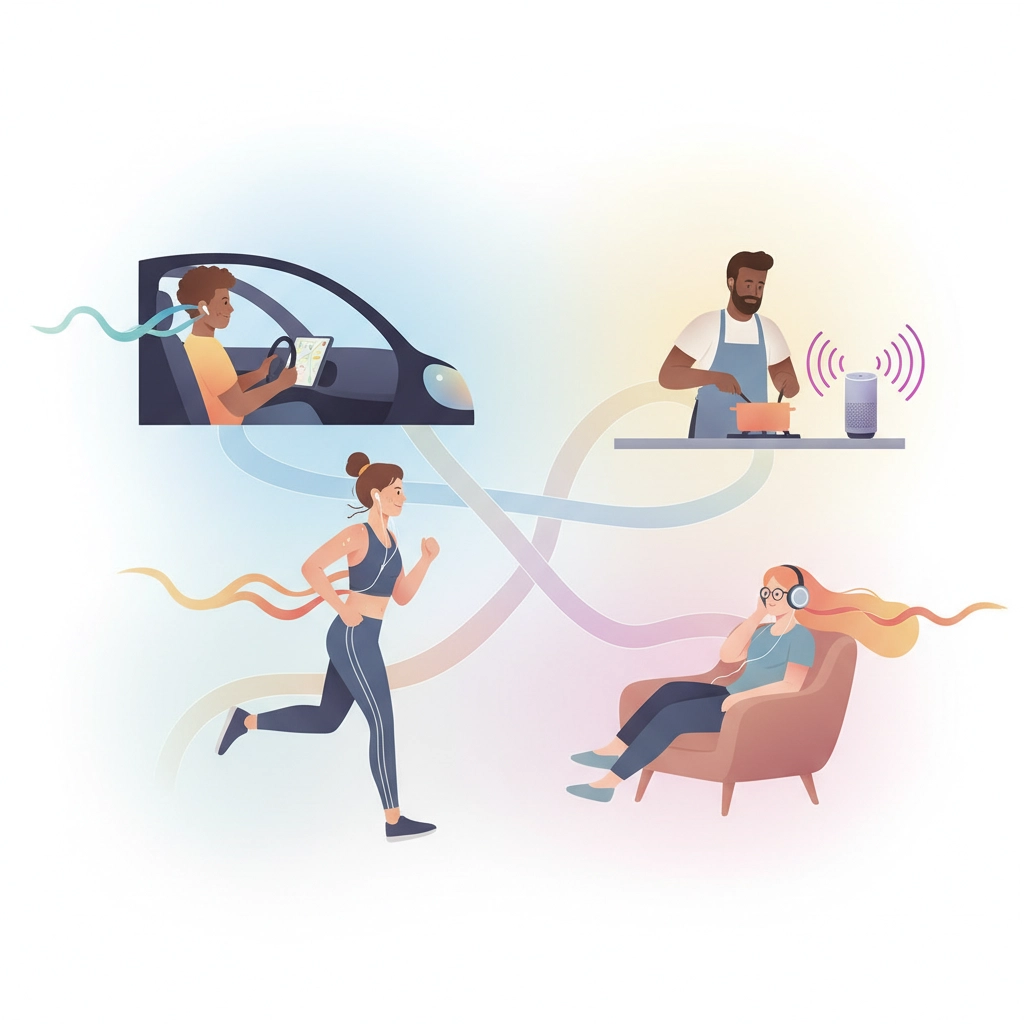
Gone are the days when a single radio spot could capture your entire target audience. Modern consumers move fluidly between platforms: listening to 99.5 The Star during their morning commute, streaming podcasts during lunch, and asking Alexa to play their favorite country playlist while cooking dinner. The brands that understand this journey and create cohesive experiences across all these touchpoints are the ones seeing extraordinary returns on their advertising investments.
Understanding the Modern Audio Ecosystem
The multi-platform radio landscape encompasses five primary channels, each serving distinct yet complementary purposes in your overall campaign strategy. Terrestrial broadcasting remains the powerhouse for mass reach and local market penetration: our stations like 99.5 The Star and 1490 Tampa Bay continue to deliver exceptional audience numbers during peak drive times.
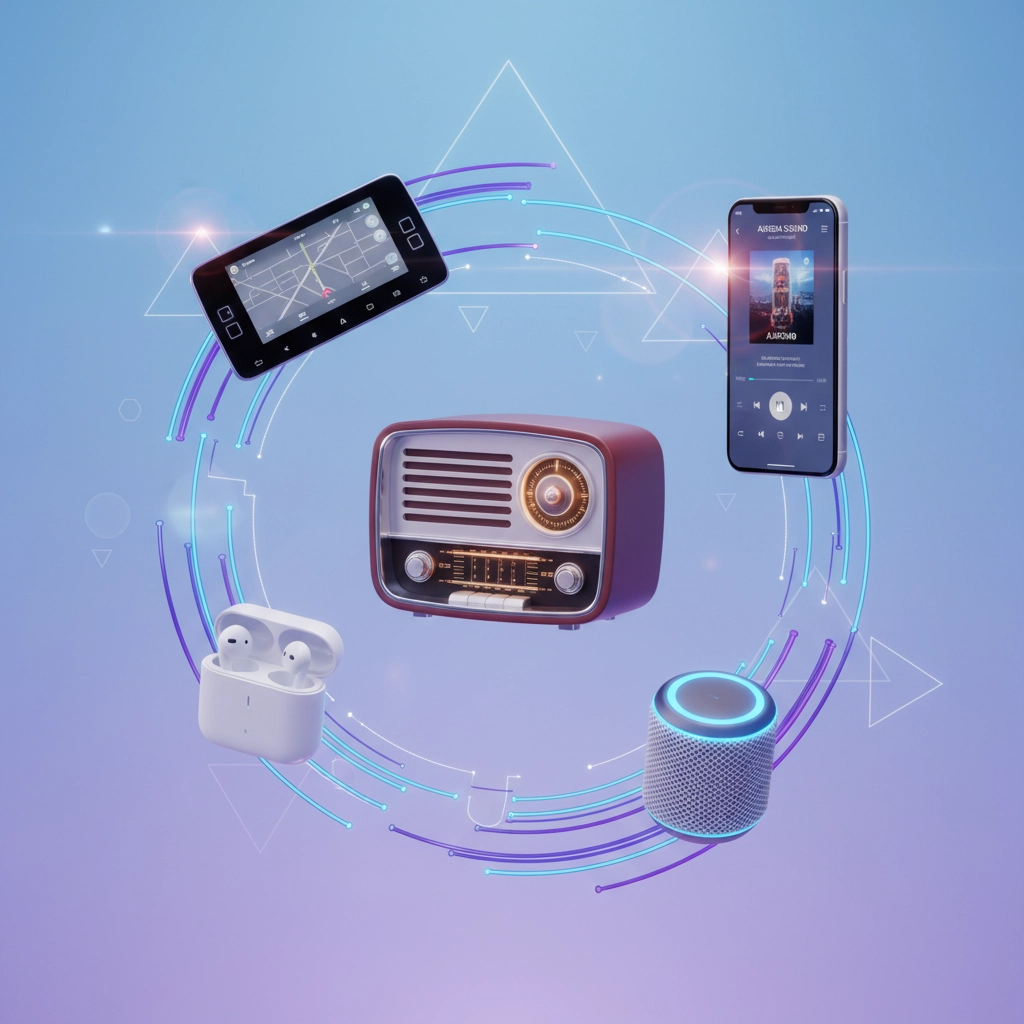
Digital audio streaming services like Spotify, Apple Music, and iHeartRadio provide unprecedented targeting capabilities, allowing us to reach specific demographics with surgical precision. These platforms excel at capturing younger audiences and upmarket consumers who may not engage with traditional radio as frequently.
Social media platforms transform your radio campaign from a one-way broadcast into an interactive conversation. When we integrate Facebook, Instagram, and TikTok with our radio programming, we create opportunities for real-time engagement that extend far beyond the original broadcast window.
Podcasting platforms and mobile apps offer on-demand access to content, enabling listeners to engage with your brand message on their own terms. This convenience factor cannot be overstated: today's consumers expect to access content when and where they choose.
Finally, smart speakers and voice-activated devices represent the frontier of audio advertising, bringing your message directly into consumers' homes through natural language interactions and voice-activated content discovery.
Building Your Campaign Foundation
The key to successful multi-platform campaigns lies in strategic cohesion: treating each platform as part of a unified narrative rather than separate, disconnected efforts. We've learned that the most effective approach combines radio's unparalleled mass reach with digital audio's precise targeting capabilities, creating a multiplier effect where each platform amplifies the others.
Your content strategy should inform platform selection, not the other way around. If you're launching a new restaurant, for instance, your campaign might feature live radio spots during morning and evening commutes, targeted Spotify ads during lunch hours, Instagram stories showcasing daily specials, and smart speaker skills that let customers make reservations through voice commands.
Geographic reach plays a crucial role in platform selection. Local businesses benefit enormously from terrestrial radio's community connection: there's something powerful about hearing your neighborhood business advertised on 99.5 The Gulf that creates immediate trust and familiarity. However, if your audience spans multiple markets or countries, digital platforms become essential for reaching those expanded demographics.
Creating Cross-Platform Content That Connects
The art of multi-platform content creation lies in maintaining consistent messaging while adapting to each platform's unique strengths and audience expectations. We've seen tremendous success when brands create platform-specific content series that interconnect across channels: perhaps teasing exclusive interviews during live radio broadcasts, then delivering the full conversation as a podcast episode, with key soundbites shared across social media platforms.
User-generated content campaigns work exceptionally well across multi-platform radio strategies. Encourage listeners to share their stories, song requests, or responses to on-air questions, then feature this content across all your platforms. This approach transforms passive listeners into active brand advocates while providing you with authentic content that resonates with your broader audience.
Mobile apps and dedicated websites serve as central hubs for all your content, offering personalized user experiences based on listening history, live streaming capabilities with pause and rewind functions, push notifications for breaking news or exclusive content, and offline listening options for premium subscribers.
Maximizing Engagement Through Strategic Integration
The most successful multi-platform campaigns we've implemented leverage coordinated posting schedules and consistent hashtags to create unified brand experiences. QR codes in visual media can direct audiences to audio content, while coordinated social media posts amplify your radio messages across digital channels.
Live polling and Q&A sessions during broadcasts create immediate engagement opportunities that can be extended across social media platforms. When listeners participate in real-time, they're more likely to share that experience with their own networks, exponentially expanding your campaign's organic reach.
Influencer partnerships work particularly well when integrated with radio campaigns. A local food blogger might sample restaurants featured on your morning show, creating content that spans radio mentions, social media posts, and potentially even video content for streaming platforms.
Technical Infrastructure and Distribution Strategy
Delivering consistent, high-quality content across multiple platforms requires robust technical infrastructure. Content delivery networks (CDNs) ensure fast, reliable global content delivery, while specialized streaming servers optimize audio delivery across varying bandwidth conditions.
Modern broadcasting technology enables simultaneous distribution to dozens of platforms with a single click: from Facebook Live and YouTube to LinkedIn, Twitter, Twitch, and beyond. This capability dramatically expands your potential viewer base while increasing conversion opportunities for businesses marketing products or services.
The technical considerations extend beyond simple distribution. Dynamic ad insertion technology allows for targeted advertising within on-demand content, while sophisticated analytics platforms provide insights into listener behavior across all channels, enabling data-driven optimization of your campaign strategy.
Monetization and ROI Optimization
Multi-platform radio campaigns offer diverse revenue streams that extend far beyond traditional advertising spots. Sponsored content and native advertising within podcast episodes provide natural integration opportunities, while premium subscription models can offer exclusive or ad-free experiences for dedicated listeners.
The data available through multi-platform campaigns enables measurement capabilities that traditional radio alone cannot provide. We can track listener demographics, device usage patterns, content preferences, listening time patterns, and social media sentiment in real-time, allowing for immediate campaign adjustments and optimization.
Programmatic advertising automates ad buying and placement across digital platforms, while geotargeted advertising delivers location-specific promotions to mobile listeners. Interactive audio ads enable direct response actions through voice commands, creating immediate conversion opportunities that bridge the gap between awareness and action.
Implementation Roadmap for Success
Launching a successful multi-platform radio campaign follows a structured approach that we've refined through years of experience across our diverse portfolio of stations and media properties.
Phase 1: Strategic Planning involves defining your target audience across all platforms, selecting the optimal platform mix for your specific goals, and developing content strategies that leverage each platform's unique strengths.
Phase 2: Technical Setup includes securing the necessary broadcasting software and hardware, selecting streaming providers that align with your distribution goals, and implementing analytics tools to track performance across all platforms.
Phase 3: Content Creation and Curation focuses on developing platform-specific content while maintaining consistent brand messaging, organizing playlists and preparing show content, and creating promotional materials optimized for each platform.

Phase 4: Launch and Promotion involves coordinating your go-live strategy across all platforms, implementing cross-platform promotional campaigns, and establishing community management protocols for ongoing audience engagement.
The Future of Multi-Platform Radio Campaigns
As we look ahead, the integration of artificial intelligence, voice recognition technology, and personalized content delivery will continue to enhance the effectiveness of multi-platform radio campaigns. Smart speakers are becoming increasingly sophisticated in understanding listener preferences and delivering targeted audio content, while social media platforms are developing new audio-first features that complement traditional radio broadcasting.
The brands that embrace this multi-platform approach today: creating cohesive, engaging experiences that meet listeners wherever they are: will be the ones that build lasting relationships with their audiences and drive measurable business results in an increasingly competitive marketplace.
At Ozark Star Media, we're committed to helping businesses navigate this complex landscape and create campaigns that truly resonate across all platforms. The future of radio isn't about choosing between traditional and digital: it's about creating harmonious experiences that leverage the best of both worlds.