

How to Make Your Marketing Recession-Proof in 2026: 7 Strategies That Last
Economic uncertainty doesn't have to spell disaster for your marketing efforts. In fact, smart brands use challenging times as opportunities to gain market share while competitors retreat into defensive shells. As we look toward 2026, the businesses that thrive won't be those who slash budgets indiscriminately, they'll be the ones who double down on strategies that deliver measurable results and build lasting customer relationships.
At Ozark Star Media, we've witnessed countless brands navigate economic storms successfully by focusing on what actually works rather than what feels comfortable. The secret isn't spending less; it's spending smarter and building marketing foundations that remain strong regardless of economic headwinds.
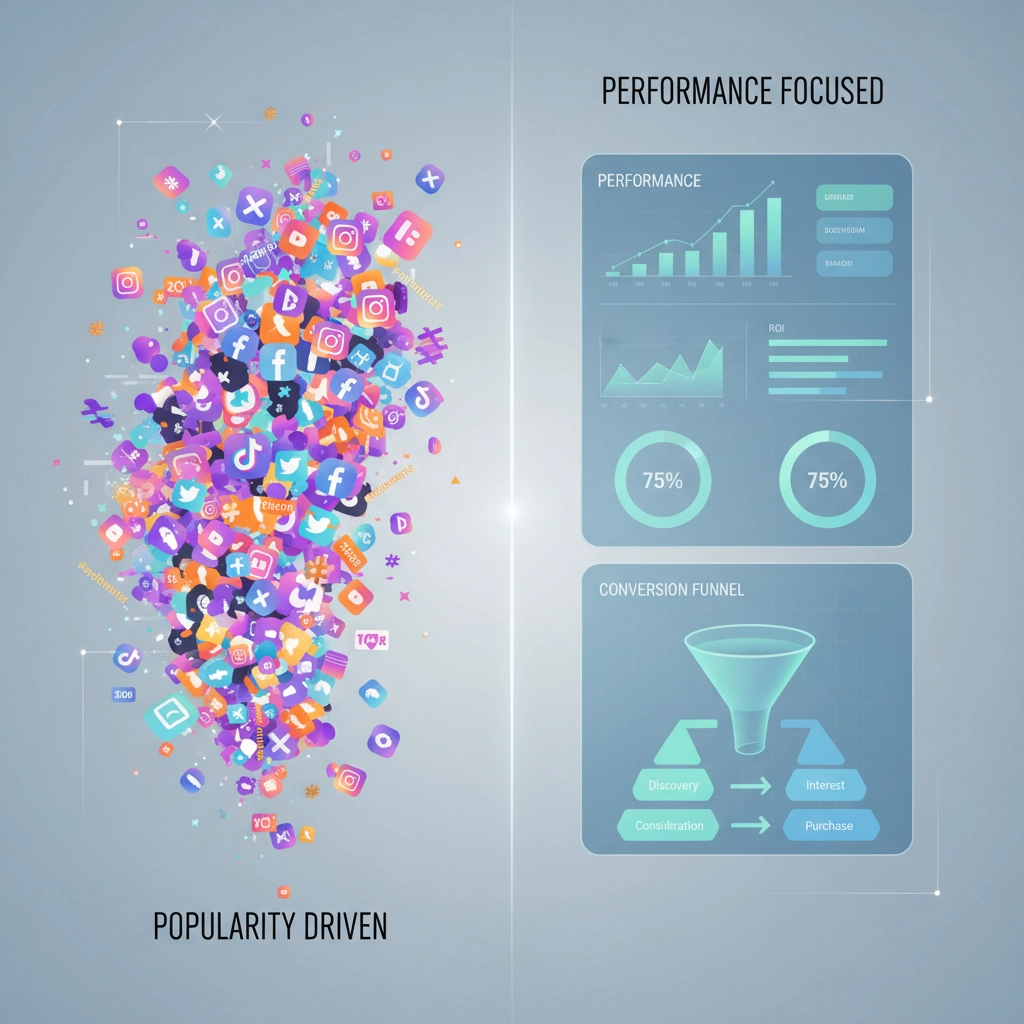
Strategy 1: Prioritize Performance Over Popularity
The brands that weather economic storms best are those who base every decision on measurable return on investment rather than vanity metrics. While it's tempting to chase the latest social media trend or invest in flashy campaigns that generate buzz, recession-proof marketing demands disciplined focus on channels that directly drive revenue.
Radio advertising exemplifies this principle perfectly. When local businesses need reliable reach at predictable costs, radio delivers consistent results that can be tracked and optimized. Unlike experimental digital channels that burn through budgets without clear attribution, radio provides transparent metrics, listener engagement, call-to-action responses, and direct sales correlation.
Search engine optimization and email marketing deserve equal attention in your performance portfolio. Long-tail keywords cost 30-70% less than broad terms while converting at rates 2.5 times higher, making them ideal when every marketing dollar must justify itself. Email campaigns to existing customers generate $42 for every dollar spent, providing the kind of reliable ROI that keeps businesses afloat during uncertain times.
We recommend allocating at least 70% of your marketing budget to these proven performance channels, leaving room for strategic experimentation with emerging opportunities that show early promise.
Strategy 2: Invest When Others Retreat
History teaches us a powerful lesson about marketing during recessions: the brands that maintain investment capture market share from competitors who panic. When advertising inventory becomes cheaper and consumer attention less fragmented, strategic marketers seize the moment rather than hiding behind reduced budgets.
During the 2009 financial crisis, companies like Starbucks continued investing in customer experience and loyalty programs while expanding internationally. They emerged from the recession stronger than competitors who cut marketing spending across the board. The same principle applies to local markets, when your competitors reduce their radio presence, your consistent advertising voice becomes more prominent and memorable.
This doesn't mean spending recklessly or ignoring budget constraints. Instead, it means cutting wasteful expenses while preserving investments that generate revenue. Cancel unused software subscriptions, eliminate inefficient processes, and reduce overhead, but protect the marketing activities that bring customers through your doors.

Smart brands also use economic downturns to negotiate better rates with media partners. Radio stations, digital platforms, and production companies often offer enhanced value packages to maintain long-term relationships with reliable advertisers. These partnerships position you for explosive growth when economic conditions improve.
Strategy 3: Build Authentic Community Connections
Economic uncertainty makes consumers more selective about the brands they support, placing premium value on authentic relationships and genuine community connection. Your marketing message must evolve from selling products to providing value, guidance, and support during challenging times.
Local radio excels at building these community connections because it creates intimate conversations between brands and neighbors. When listeners trust the personalities they hear daily, that trust extends to the businesses those personalities recommend. This relationship-driven approach proves invaluable when consumers tighten spending and research purchases more carefully.
Content marketing amplifies this community-building effect. Create helpful resources that address your customers' current concerns, budget-friendly solutions, practical tips, industry insights that demonstrate expertise without demanding immediate purchases. Position your brand as a trusted advisor rather than just another vendor competing for attention.
Social media becomes your real-time feedback mechanism, providing insights into customer sentiment that allow rapid message adjustments. Monitor conversations actively, respond promptly to concerns, and use these interactions to refine your understanding of evolving customer needs.
Strategy 4: Master the Art of Customer Retention
Acquiring new customers costs five times more than retaining existing ones, a math problem that becomes even more challenging during economic downturns. Recession-proof marketing focuses intensively on deepening relationships with current customers rather than constantly chasing new prospects.
Loyalty programs reward engagement and encourage repeat purchases, creating economic incentives for customers to consolidate their spending with your business. But effective retention goes beyond transactional rewards to emotional connection and genuine value creation.

Remarketing campaigns deserve particular attention, with data showing that retargeted visitors convert up to 150% more than first-time website visitors. Your existing customer database represents your most valuable asset for sustainable growth, these people already know, like, and trust your brand.
Develop win-back campaigns for dormant customers, birthday and anniversary promotions for loyal ones, and exclusive previews of new products or services for your best advocates. Create reasons for customers to choose you repeatedly rather than exploring alternatives during uncertain times.
Strategy 5: Diversify Your Marketing Mix Strategically
The 2024 Marketing Channel Diversification Report revealed that brands running campaigns across three or more channels achieved 73% stronger return on advertising spend than those concentrating efforts in just one or two channels. Strategic diversification reduces risk while maximizing opportunity capture.
However, diversification doesn't mean spreading your budget thin across every available platform. Instead, it means building a portfolio of complementary channels that work together synergistically. Radio provides broad market reach and brand awareness, while targeted digital campaigns capture high-intent prospects already searching for your solutions.
Email marketing nurtures relationships over time, social media creates community engagement, and search engine optimization captures organic discovery. Each channel serves a specific purpose in your customer acquisition and retention ecosystem.
We recommend the 70-20-10 rule for budget allocation: 70% to proven performance channels, 20% to emerging opportunities with strong early indicators, and 10% to experimental testing of new platforms or strategies. This approach maintains stability while allowing strategic innovation.
Strategy 6: Embrace Data-Driven Decision Making
Successful recession-proof marketing relies on performance data rather than assumptions or gut feelings. Every campaign, every message, every channel investment should be justified by measurable results and continuously optimized based on real customer behavior.
Attribution modeling becomes crucial for understanding which touchpoints actually drive conversions versus those that simply appear in the customer journey. Radio advertising, for example, often influences purchase decisions that get attributed to later digital touchpoints: understanding this relationship prevents you from mistakenly cutting effective brand-building investments.

Real-time monitoring allows rapid adaptation as market conditions shift and consumer behavior evolves. Weekly performance reviews replace monthly ones, and campaign adjustments happen in days rather than weeks. This agility distinguishes thriving brands from those that react too slowly to changing circumstances.
A/B testing becomes your competitive advantage, allowing continuous improvement of messaging, timing, targeting, and creative approaches. Small improvements compound over time, creating significant performance advantages that competitors struggle to match.
Strategy 7: Plan for Recovery and Growth
Recession-proof marketing isn't just about survival: it's about positioning for explosive growth when economic conditions improve. The brands that capture the most market share during recovery periods are those who spent the downturn building capabilities, refining processes, and deepening customer relationships.
Use slower periods strategically to develop new creative campaigns, test innovative approaches, and build marketing infrastructure that can scale rapidly when demand returns. Train your team, upgrade your systems, and strengthen your vendor relationships during less hectic times.
Create detailed growth scenarios that can be activated quickly when leading indicators suggest economic improvement. Have campaign creative ready, media plans prepared, and budget allocations flexible enough to increase investment rapidly when opportunities arise.

Most importantly, maintain an optimistic, forward-looking perspective that suggests growth and positive change rather than defensive retreat. Your marketing messages should inspire confidence in both your team and your customers, creating the positive momentum that turns recovery into sustainable expansion.
Building Your Recession-Proof Future
The businesses that thrive through economic uncertainty share common characteristics: they focus on measurable results, maintain customer relationships, and position themselves strategically for recovery. They don't view recessions as disasters to survive but as opportunities to strengthen their market position while competitors retreat.
As we move toward 2026, these seven strategies provide the foundation for marketing success regardless of economic conditions. The key lies in disciplined execution and unwavering commitment to what actually works rather than what feels comfortable or familiar.
Your marketing doesn't have to be another casualty of economic uncertainty. Instead, it can become your competitive advantage: the strategic investment that drives growth while others struggle to maintain their position. The choice, as always, remains yours.